Why Cylake
Exists
- Author
- By the Founders
- Written in
- Sunnyvale, California
Security has a dirty secret. The organizations with the most to protect get the least protection. Their data cannot leave their control, and the industry’s best tools live in a cloud they cannot use. So they make do with less. Less data, less AI, less defense. We started Cylake to end that dilemma.

The manifesto, chapter by chapter
How security’s architecture broke.
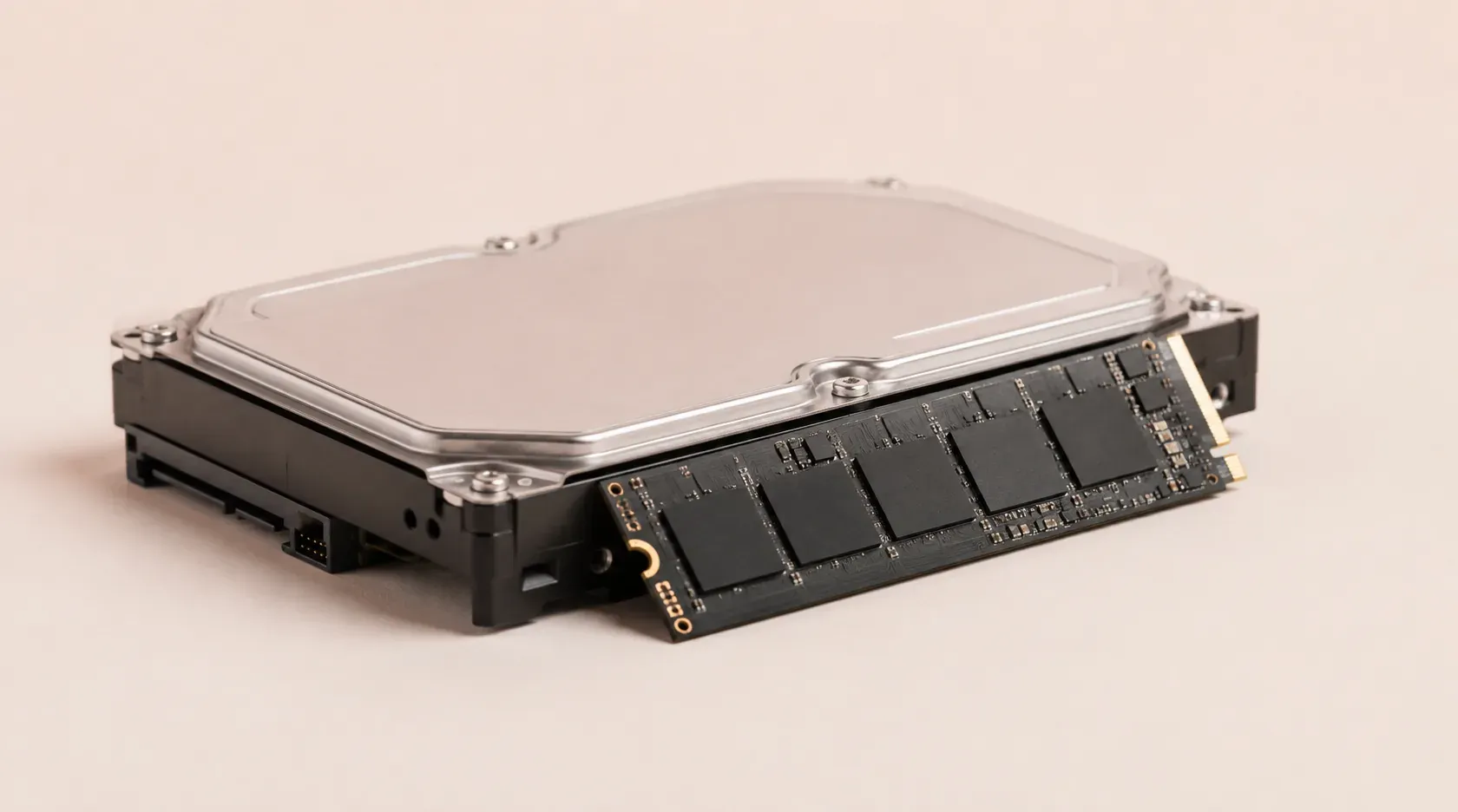
For twenty years, every individual security product collected its own data and kept it. Endpoint tools, network tools, cloud tools, identity tools. Each one built its own store. The industry calls them data lakes. They are disconnected puddles.
The SIEM was supposed to unify them. It operated on too little data, at too low fidelity, and it punished customers for every gigabyte they ingested. Organizations learned to throttle their own visibility to afford their own security.

The attacks got cheaper. The defenders got blindfolds.
Targeted attacks used to be expensive. Only nation-states could afford them. AI ended that. The cost of a targeted attack is no longer a prohibitive factor, so defense has to assume the breach is already in motion.
The organizations that need AI defense most cannot feed it with the data it needs. Their cloud-based defenses only see fragments of data. They are protecting systems while wearing a blindfold.

What data actually has to mean.
Data used to mean logs and events. Then it meant telemetry from every security product. Neither is enough. Data means all of it: every system in the infrastructure, every SaaS application, and the end-user data itself.
That data carries lineage and timelines that our AI can read like a story. With it, through one ingestion pipeline and stored in one lake, detection finally happens where the evidence lives.

The boundary moved. It’s yours now.
The firewall defined the boundary of the internet era. In the AI era, the boundary is who controls the infrastructure that processes the data. The reasoning engine protecting a nation cannot be a tenant on someone else’s infrastructure.
Only you hold the keys. No one else can reach the system. Not a cloud or AI provider. Not even us.

What we’re building.
A complete cybersecurity platform that runs all cybersecurity functions, hardware included. One ingestion pipeline where Machine Learning detects threats in near real time. One data lake underneath, holding complete enterprise data. Generative AI on top, to explain, investigate, and automate what detection finds.
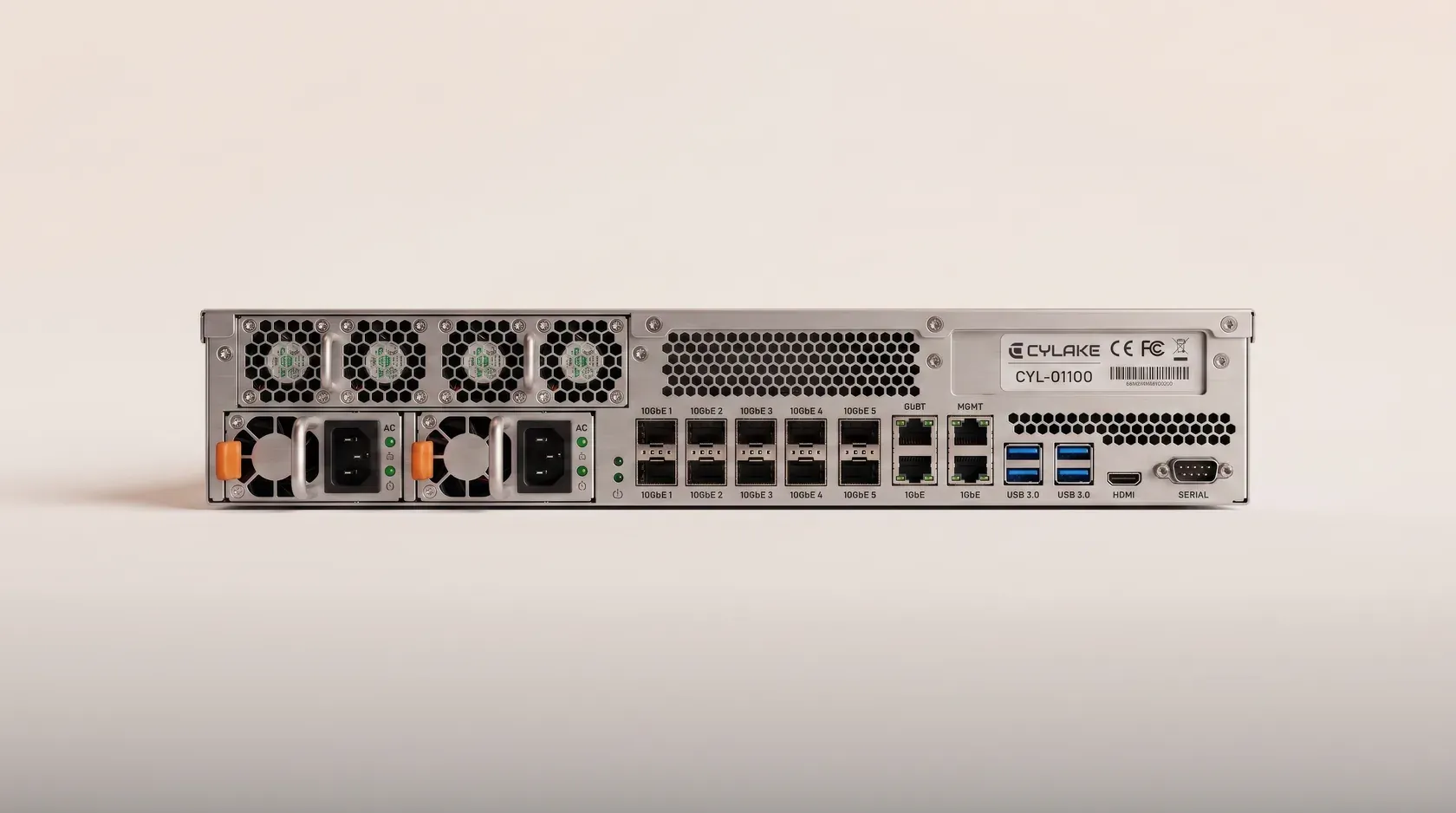
It arrives as a machine. It runs where the internet doesn’t. And it belongs, entirely, to the people it protects.

Choose your character
Every chapter of this story from here on is unwritten. Pick where you come in.